What you will learn
Why Families Are Renting Wheelchairs Instead of Buying
Post-surgery recovery, elder care, and temporary mobility support — these are the top reasons families rent wheelchairs in India. Most wheelchair needs are temporary (2-8 weeks). Buying a wheelchair for ₹8,000-₹15,000 when you need it for 30 days makes no financial sense.
How Much Does a Wheelchair Rental Cost?
Wheelchair rental in India typically costs ₹99-₹150/day for standard models. Monthly rentals range from ₹1,500-₹3,000 depending on the type. At HomieHyra, a standard wheelchair rental starts at approximately ₹99/day with 15-day and monthly plans available.
Rent vs Buy: The Financial Comparison
- Buying a standard wheelchair: ₹8,000-₹15,000. Then it sits in storage for years.
- Renting for 1 month: Under ₹3,000. We pick it up when done. Zero storage.
- Resale value: Used wheelchairs sell for ₹2,000-₹4,000 if you're lucky.
- Net loss from buying (6-week use): ₹6,000-₹11,000
What Medical Equipment Can You Rent?
- Standard Wheelchair — post-surgery mobility, elder care, temporary support
- Adult Walker (4-leg) — balance support, assisted walking during recovery
- Elbow / Underarm Crutches — short-term injury recovery
- Anti-Bedsore Air Mattress — extended bed rest, patient comfort
- Recovery Basics Kit — bundled wheelchair + walker + comfort support
Delivery and Hygiene
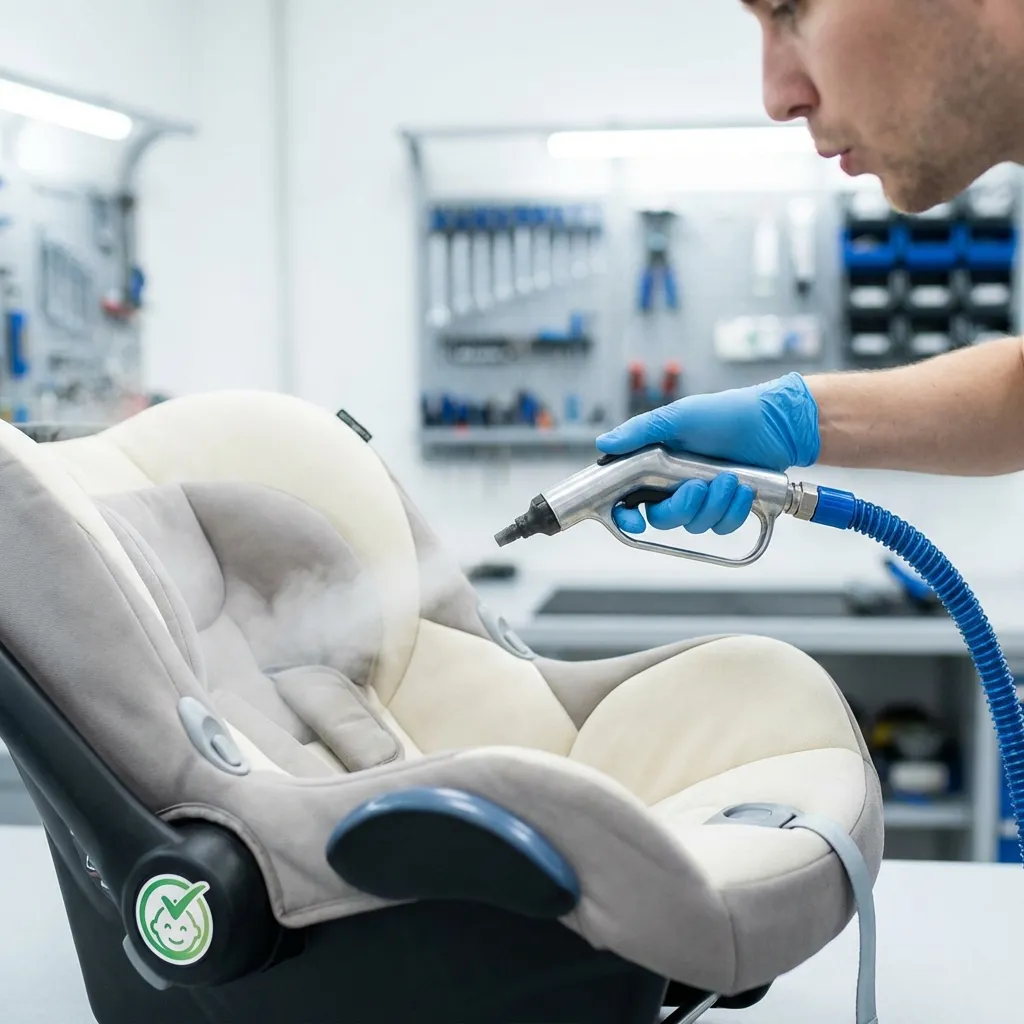
Every wheelchair and medical equipment rental is sanitized before delivery. We deliver to homes, hospitals, and rehabilitation centers across Delhi NCR. All equipment is inspected for structural integrity, wheel function, and brake operation before dispatch.
When to Rent a Wheelchair
- Post knee/hip surgery: Typical recovery period is 4-8 weeks
- Ankle or leg fracture: Usually 3-6 weeks of reduced mobility
- Elder care during illness: Temporary support during recovery
- Hospital discharge: Patient needs mobility support at home
- Visiting elderly relatives: Short-term support during family stays
FAQs About Wheelchair Rental
- How long can I rent a wheelchair? Typically 15-60 days, with extensions available on request.
- Do you deliver to hospitals? Yes, we deliver to homes, hospitals, and rehab centers.
- Is the wheelchair sanitized? Yes, every wheelchair is deep-cleaned and inspected before delivery.
- Can I extend the rental? Absolutely. Just message us to extend at the same rate.
Types of Wheelchairs Available for Rent
Not all wheelchairs are the same, and choosing the wrong type can make recovery harder instead of easier. Here is a breakdown of the common types available for rental in India and when each one is appropriate.
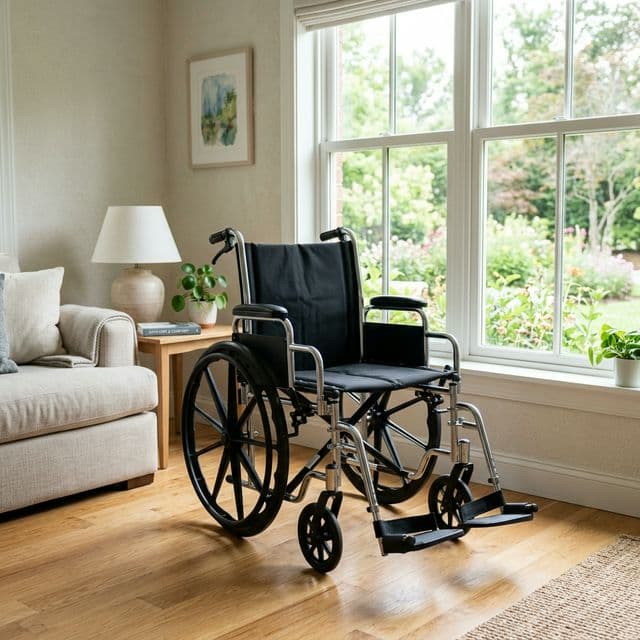
- Standard Manual Wheelchair: The most common type. Chrome or powder-coated steel frame, fixed armrests, swing-away footrests, solid rubber tyres. Suitable for indoor use, short outdoor trips, and hospital transfers. Weight capacity typically 100-120kg. This is what most families need for post-surgery recovery.
- Lightweight Folding Wheelchair: Aluminium frame, weighs 8-12kg versus 15-18kg for standard steel chairs. Easier to transport in car boots and lift up stairs. Best for patients who travel frequently or live in apartments without elevators.
- Reclining Wheelchair: Adjustable backrest that reclines to various angles. Essential for patients who cannot sit upright for extended periods, such as post-spinal surgery or those with severe back conditions.
- Transit Wheelchair: Smaller rear wheels, designed to be pushed by a caregiver. Not self-propelled. Lighter and more compact. Best for short hospital visits and transfers where the patient does not need to wheel themselves.
- Commode Wheelchair: Built-in commode seat with removable bucket. For patients who have difficulty transferring to and from the toilet. Common need for elderly patients with hip fractures or severe mobility limitations.
At HomieHyra, our standard rental fleet includes manual wheelchairs suitable for most home recovery scenarios. For specialized chairs (reclining, commode), contact us on WhatsApp and we will check availability and pricing for your specific need.
Choosing the Right Wheelchair Size
A wheelchair that does not fit properly is not just uncomfortable; it can cause pressure sores, poor posture, and even falls. Here are the key measurements you need to get right.
- Seat Width: Measure the widest point of the patient's hips while sitting and add 2-3 centimeters. Too narrow causes pressure on the hips. Too wide causes the patient to lean to one side and makes it harder to reach the wheels.
- Seat Depth: Measure from the back of the hip to the back of the knee while sitting, then subtract 3-5 centimeters. The front edge of the seat should not press against the back of the knees, which restricts blood flow.
- Seat Height: The patient's feet should rest flat on the footrests with knees at approximately 90 degrees. Too high and the patient slides forward. Too low and there is excessive pressure on the thighs.
- Armrest Height: Elbows should rest comfortably at 90 degrees on the armrests. Too high causes shoulder tension. Too low causes the patient to lean.
When you book a wheelchair rental with us, share the patient's height, weight, and the nature of their condition. We will recommend the right size and type. If the chair does not fit well at delivery, we can exchange it.
Need gear for your next trip or daily commute?
Book deep-cleaned strollers, car seats and high chairs. Delivery and pickup are shown before confirmation.
Home Preparation: Getting Your House Ready for a Wheelchair
Most Indian homes are not wheelchair-friendly. Before the wheelchair arrives, take 30 minutes to prepare your home. This small effort dramatically improves the patient's comfort and safety.
- Clear pathways: A standard wheelchair needs at least 80cm of clear width to pass through. Move furniture, shoe racks, and decorative items that block hallways and doorways.
- Check door widths: Standard Indian interior doors are 75-80cm wide, which is tight for wheelchairs. If doors are too narrow, you may need to remove the door temporarily or use a narrower transit chair.
- Remove loose rugs and mats: Wheels catch on rug edges, causing sudden stops that can throw the patient forward. Tape down any rugs you cannot remove.
- Ramp for steps: If your home has a step at the entrance (very common in Delhi NCR apartments), a temporary portable ramp makes entry and exit much safer. You can buy a basic aluminium ramp for Rs 2,000-4,000 or improvise with a sturdy wooden board.
- Bathroom access: The bathroom is the most challenging area. If the wheelchair cannot fit through the bathroom door, consider a commode chair that can be placed beside the bed. Grab bars near the toilet cost Rs 500-1,000 and are worth installing for any elderly or recovering patient.
- Bed height: Ideally, the bed should be at the same height as the wheelchair seat for easy transfers. If the bed is too low, bed risers (Rs 300-600 for a set) can help.
Safe Transfer Techniques: Bed to Wheelchair
Transferring a patient from bed to wheelchair is where most home injuries happen. Both the patient and caregiver can get hurt if the technique is wrong. Here is the safe method recommended by physiotherapists.
- Position the wheelchair at a 30-45 degree angle to the bed, on the patient's stronger side. Lock both wheelchair brakes. Fold up or remove the footrests.
- Help the patient sit on the edge of the bed with feet flat on the floor. Give them a moment to adjust to the upright position (sudden position changes can cause dizziness).
- The patient places one hand on the bed and the other on the far wheelchair armrest. The caregiver stands in front, with knees slightly bent and feet shoulder-width apart.
- On a count of three, the patient pushes up from the bed while the caregiver supports from the front (hands on the patient's waist or under the arms, never pulling by the arms).
- The patient pivots on their stronger foot and slowly lowers into the wheelchair seat. The caregiver guides the movement.
- Once seated, replace the footrests and ensure feet are properly positioned. Unlock brakes only when ready to move.
If the patient weighs significantly more than the caregiver, or if the patient has very limited mobility (post-hip surgery, for example), consider asking a physiotherapist for a home visit to demonstrate the technique. Most physiotherapists in Delhi NCR charge Rs 500-800 for a home visit.
Recovery Timeline: How Long Will You Need the Wheelchair?
One of the most common questions families ask is: how long should we rent for? The answer depends on the condition. Here are typical timelines based on common scenarios.
- Knee replacement surgery: 4-8 weeks of wheelchair or walker use. Most patients transition to a walker within 2-3 weeks and walk independently by 6-8 weeks.
- Hip replacement surgery: 6-12 weeks. Hip replacements typically require longer wheelchair use because weight-bearing restrictions are stricter.
- Ankle or foot fracture: 4-8 weeks in a wheelchair, then transition to crutches or a walker. Full weight-bearing usually starts at 6-8 weeks depending on the fracture type.
- Leg fracture (femur or tibia): 8-16 weeks. These are longer recoveries. Consider a 2-month initial rental with the option to extend.
- Stroke recovery: Highly variable. Some patients need a wheelchair for weeks, others for months or permanently. Start with a 1-month rental and reassess based on physiotherapy progress.
- Elderly care (general weakness): Duration is unpredictable. Many families start with a 1-month rental and extend as needed. Some elderly patients use a wheelchair intermittently for outings while using a walker at home.
We always recommend renting for slightly longer than you think you will need. It is easier to return early than to scramble for an extension when the patient is not recovering as fast as expected. And our rates do not penalize you for returning early on monthly plans.
Wheelchair Maintenance During Your Rental
A wheelchair is a mechanical device that needs basic maintenance to function safely. Here is what you should do during your rental period to keep it in good condition.
- Check tyre pressure weekly if the wheelchair has pneumatic (air-filled) tyres. Under-inflated tyres make pushing harder and can cause uneven wear.
- Clean the frame weekly with a damp cloth. Dust and grime accumulate quickly, especially in Delhi during winter smog season.
- Check brakes before every transfer. Both brakes should lock firmly. If a brake feels loose, contact us immediately for a replacement or repair.
- Lubricate wheel axles monthly with a drop of light machine oil if you hear squeaking. Or just WhatsApp us and we will send someone to service it.
- Keep the wheelchair dry. If it gets wet (rain, spills), wipe it down and let it dry completely. Prolonged moisture causes rust on steel frames.
- Do not exceed the weight limit. Every wheelchair has a rated weight capacity (usually printed on the frame). Exceeding it stresses the frame and brakes.
Companion Equipment: What Else Might You Need?
A wheelchair alone often is not enough for comfortable home recovery. Here are complementary items that families frequently rent or buy alongside a wheelchair.
- Walker (4-leg or wheeled): For the transition phase when the patient can stand and take steps but is not confident enough to walk unsupported. Rental: Rs 50-80/day.
- Crutches (elbow or underarm): For patients who can bear partial weight and need balance support. Rental: Rs 30-50/day.
- Anti-bedsore air mattress: Essential if the patient spends extended time in bed. Alternating pressure prevents pressure sores. Rental: Rs 100-150/day.
- Bed rail: Prevents falls from the bed and gives the patient something to grip when sitting up. Purchase recommended (Rs 1,500-3,000) as these are long-term needs.
- Raised toilet seat: Reduces the distance the patient needs to lower themselves, reducing strain on knees and hips. Purchase recommended (Rs 1,000-2,000).
Wheelchair Rental FAQs (Extended)
- Can I rent a wheelchair for just 3 days? Yes, we offer short-term rentals starting from 3 days. This is common for families attending weddings, religious events, or outstation trips with elderly family members.
- Do you deliver to hospitals for discharge? Yes. If your family member is being discharged and needs a wheelchair to go home, we can deliver to the hospital. Coordinate with us at least 24 hours before discharge for smooth handover.
- What if the wheelchair breaks during rental? Contact us on WhatsApp. We will either repair it on-site (for minor issues like loose screws or squeaky wheels) or replace it with another unit within 24 hours. No charge for manufacturing defects or normal wear.
- Can the patient travel by car with a rented wheelchair? Yes. Our standard wheelchairs fold to fit in the boot of most cars including Maruti Swift, WagonR, and Ertiga. The lightweight aluminium models fit even in smaller car boots.
- Is the wheelchair suitable for outdoor use? Our standard chairs work on flat outdoor surfaces like park paths and shopping mall floors. For rough terrain (gravel, unpaved roads), you may need a chair with larger rear wheels. Discuss your needs with us.
- Do you rent motorized/electric wheelchairs? Not currently. Electric wheelchairs require specialized maintenance and charging infrastructure. We are evaluating adding them to our fleet in 2027.
- Can I rent a wheelchair in Delhi NCR? Yes. We deliver wheelchairs and medical equipment across Delhi NCR with next-day standard delivery.
Need medical equipment for recovery? Browse Medical & Recovery Rentals.
Before you close this tab: quick action checklist