What you will learn
Every year in India, preventable sleep-related incidents take the lives of babies who were perfectly healthy. The scary part is that most of these tragedies happen because of well-meaning choices: a thick, soft mattress because you wanted comfort, a blanket because you worried about cold, co-sleeping because it felt natural. Safe sleep is not intuitive. Much of what our parents and grandparents did is now known to be dangerous. This guide is not about fear. It is about facts. And every fact here can protect your baby.
The ABCs of Safe Sleep
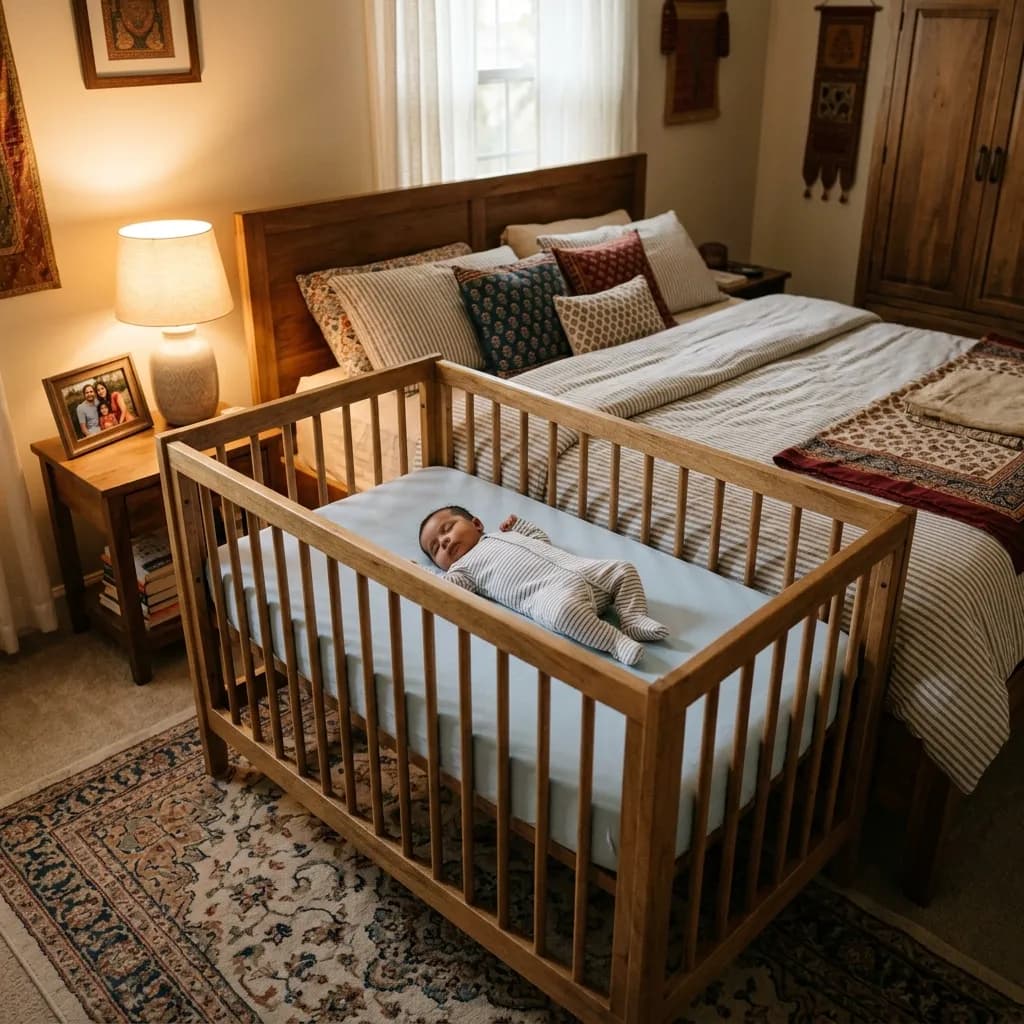
Paediatricians worldwide use a simple framework: A is for Alone, B is for Back, C is for Crib. Your baby should sleep Alone on their Back in a Crib. No exceptions for the first 12 months. This single rule, if followed consistently, eliminates the majority of sleep-related risks.
- Alone: No pillows, blankets, stuffed toys, bumper pads, or other people in the sleep space. The only thing in the crib should be your baby and a fitted sheet over a firm mattress.
- Back: Always place your baby on their back to sleep, for every nap and every bedtime. Side sleeping is not safe for babies under 12 months. Once your baby can roll both ways independently, usually around 5-6 months, they can choose their own position.
- Crib: A safety-certified crib, bassinet, or play yard with a firm, flat mattress. Not your bed, not the sofa, not a car seat for extended sleep, not a pillow nest on the floor.
Crib Safety: Getting It Right
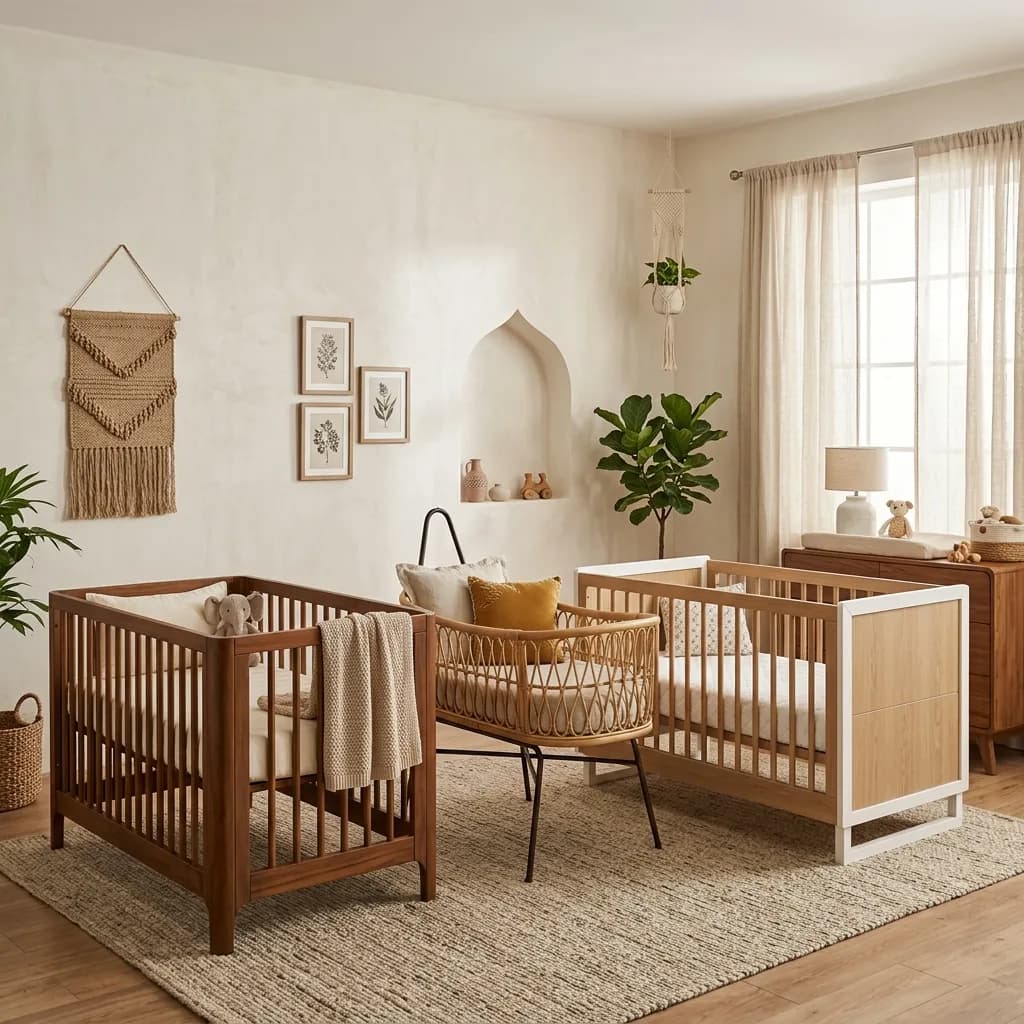
The crib is the centrepiece of safe sleep. Here is exactly what to check, whether you are buying, renting, or using a hand-me-down.
- Slat spacing must be under 6cm. If you can fit a soda can between two slats, they are too far apart. A baby's head can get trapped in wider gaps.
- Mattress fit: The mattress should fit snugly with no gaps. If you can fit more than two fingers between the mattress edge and the crib wall, the mattress is too small. Babies can get wedged in the gap.
- Firm mattress only. Press your hand into it. If it holds the impression of your hand, it is too soft. A safe baby mattress should spring back immediately. Forget the thick cotton gadda that every relative recommends.
- No drop-side cribs. These have been recalled and banned in many countries due to entrapment deaths. If someone offers you a drop-side crib, decline.
- Check for recalls: Before using any crib, check the manufacturer's website or consumer safety databases for recalls. This applies equally to new purchases and rented or second-hand cribs.
- HomieHyra cribs: Every crib we rent out is inspected for slat spacing, mattress fit, hardware integrity, and structural stability before each rental cycle. We do not rent out any model that has been recalled.
Cradle Safety: The Indian Context
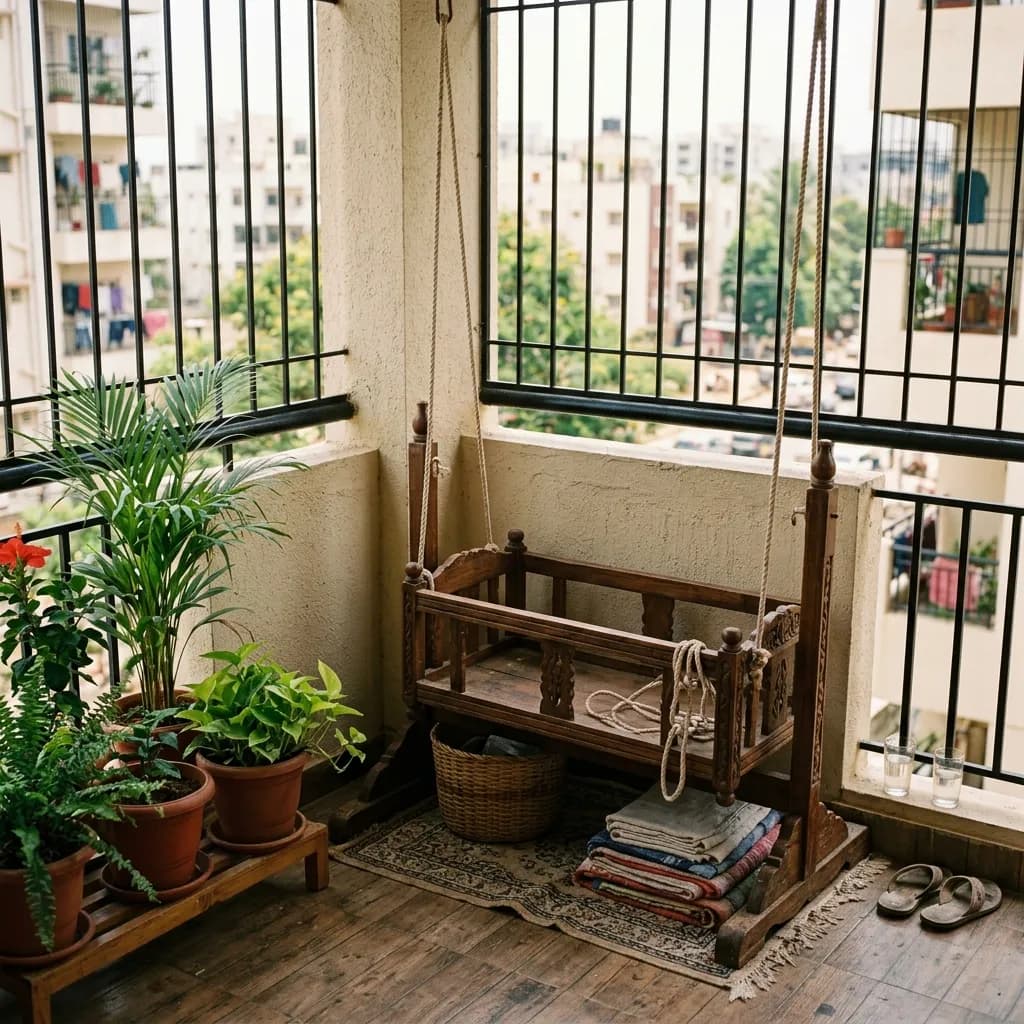
Cradles are deeply embedded in Indian parenting culture. The jhula, the automatic cradle, the hammock tied to ceiling hooks — these are traditions. But tradition does not equal safety. Here is what you need to know.
- Automatic electric cradles: Safe when used correctly for the first 4-5 months. Ensure the mattress is firm and flat, not a hammock shape. Use the harness. Set a timer and transfer the baby to a flat crib after 30 minutes of sleep.
- Traditional cloth jhula (hammock): Not recommended by paediatricians. The curved position restricts breathing, especially when the baby turns to the side. If the baby rolls face-down in a jhula, the fabric cradles around the face and can cause suffocation.
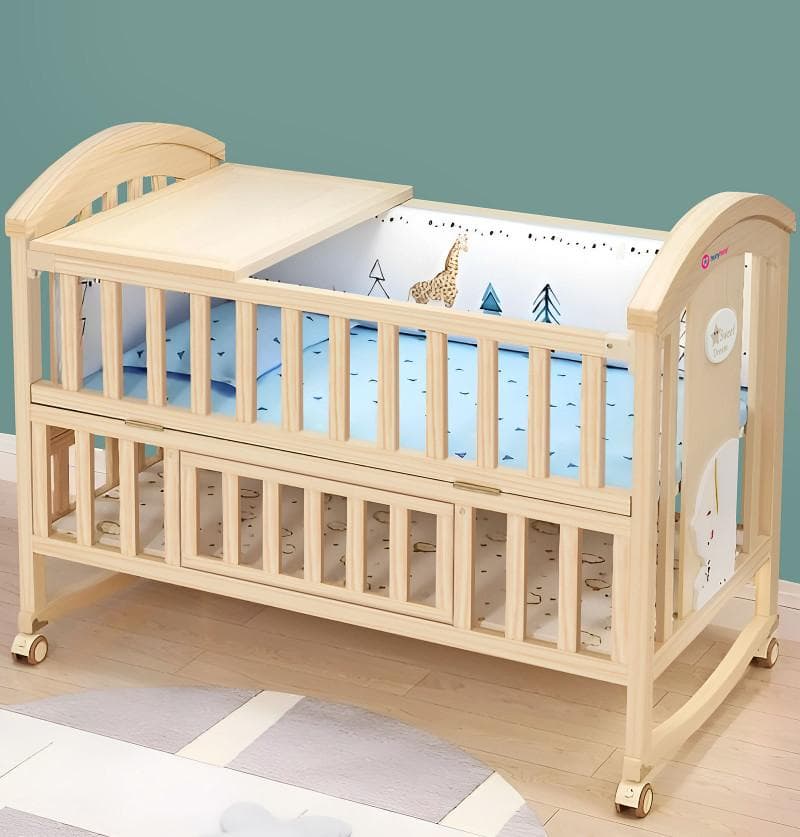
- Wooden rocking cradles: Safe if the rocking mechanism has a locking feature to stop motion. Ensure the sides are high enough that a rolling baby cannot fall out. Check for sharp edges and exposed screws.
- Ceiling-hung cradles: High fall risk if the hook or rope fails. Not recommended for unsupervised sleep under any circumstances.
Mattress Tips: The Most Overlooked Safety Factor
The mattress is arguably more important than the crib itself. A perfect crib with a dangerous mattress is still dangerous.
- Firmness test: Place the mattress on a flat surface. Press with your palm for 10 seconds. If the impression stays, the mattress is too soft. Baby mattresses should feel uncomfortably firm to adults, and that is exactly right for safety.
- No memory foam for babies: Memory foam conforms to shapes, which means it can conform around a baby's face and restrict breathing. Use only high-density foam or coir mattresses rated for infant use.
- Waterproof cover: Babies spit up, drool, and have diaper leaks. A thin waterproof mattress cover prevents moisture from reaching the foam where mold can grow. In Delhi's humid monsoon season, this is essential.
- Size match: The mattress must match the crib exactly. No folded blankets to fill gaps. No towels stuffed along the edges. A gap of more than 2 fingers width is a safety hazard.
- Replace used mattresses: If you are using a second-hand crib, buy a new mattress. Used mattresses may have mold inside, reduced firmness, or accumulated allergens that are invisible from outside.
Mosquito Protection: Doing It Safely
Need gear for your next trip or daily commute?
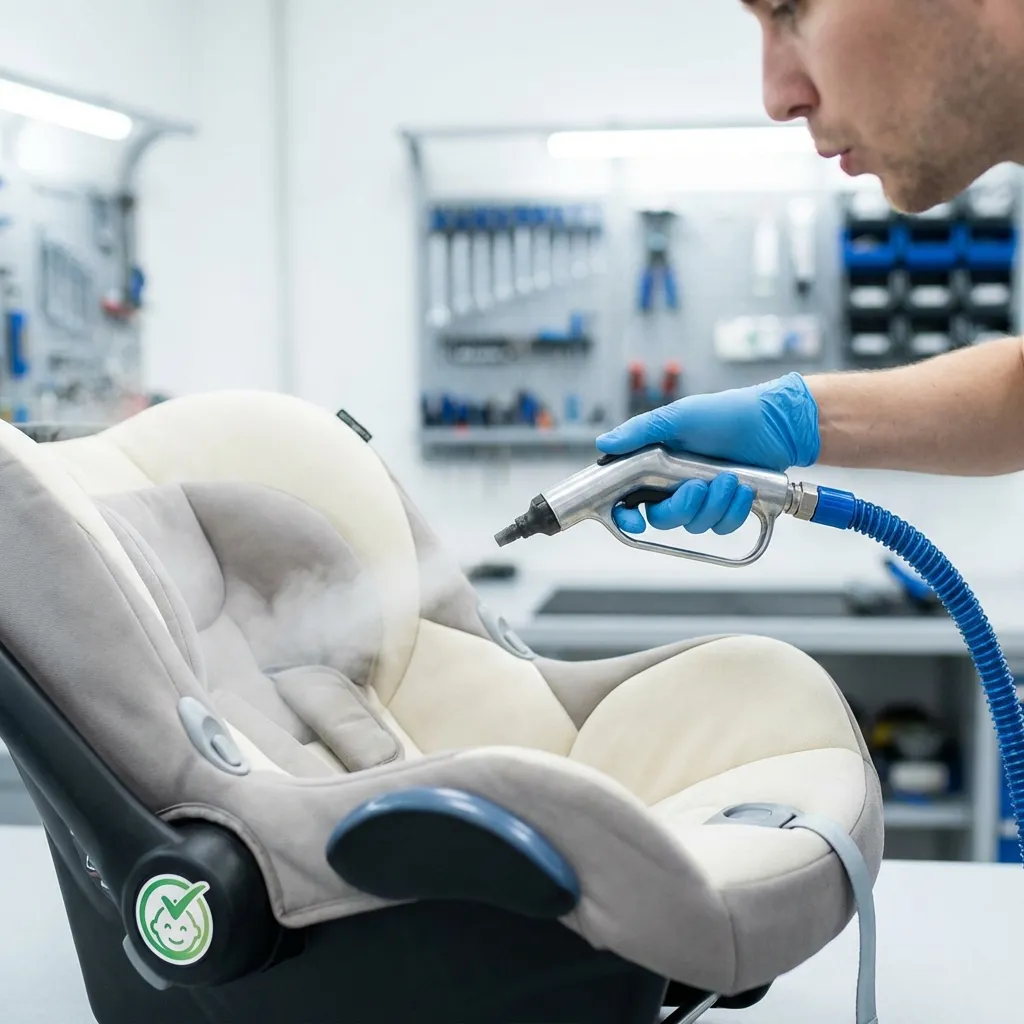
Book deep-cleaned strollers, car seats and high chairs. Delivery and pickup are shown before confirmation.
Dengue, malaria, and chikungunya are real threats in Delhi NCR, especially during monsoon. Protecting your baby from mosquitoes during sleep is necessary, but the method matters.
- Mosquito net frames: The safest option. A rigid frame that holds the net above and away from the baby. Ensure the net is tucked under the mattress on all sides with no gaps. The baby should not be able to reach or pull the net.
- Do not drape loose nets over the crib: Loose netting can fall on the baby's face and cause suffocation. Always use a rigid frame or clip system that keeps the net taut and elevated.
- Mosquito repellent devices: Liquid vaporisers like Good Knight or All Out are generally considered safe for rooms where babies sleep, but place them at least 2 metres from the crib. Check with your paediatrician, especially for babies under 2 months.
- No mosquito coils in the baby's room: The smoke contains particulate matter that is harmful to developing lungs. Use electric vaporisers or nets instead.
- Window screens: The best long-term solution. Mesh screens on bedroom windows keep mosquitoes out without chemicals. Combined with a net frame over the crib, this provides double protection.
Co-Sleeping: The Honest Discussion
In India, co-sleeping is the norm. The idea of putting your baby in a separate crib, let alone a separate room, is culturally alien to many families. Grandparents insist. Joint family dynamics make it practically difficult to have a separate sleep space. Let us be honest about the facts and find a middle ground that works.
- The medical position: Every major paediatric body, including the Indian Academy of Pediatrics, recommends room-sharing without bed-sharing for the first 6-12 months. The baby should be in the same room as the parents but in their own crib or bassinet.
- Why bed-sharing is risky: Adult mattresses are too soft. Adult pillows and blankets are suffocation hazards. Parents can roll onto the baby during deep sleep. The risk increases significantly if either parent is extremely tired, has consumed alcohol, takes sedating medication, or smokes.
- The practical compromise: A bedside bassinet or co-sleeper that attaches to your bed gives you the closeness of co-sleeping with the safety of a separate surface. The baby is within arm's reach for night feeds but on their own firm mattress.
- If you choose to bed-share despite recommendations: Remove all pillows and blankets from the baby's area. Use a firm mattress, not a soft one. Place the baby on their back. Never bed-share on a sofa, armchair, or waterbed. Ensure the baby cannot fall off the bed or get trapped between the mattress and wall.
Room Setup: Complete Checklist
Beyond the crib and mattress, the room environment plays a critical role in safe sleep. Here is the full setup checklist for your baby's sleep space.
- Temperature: Keep the room between 20-22 degrees Celsius. In Delhi summers, this means air conditioning is not a luxury but a necessity for safe sleep. Overheating is a SIDS risk factor. Dress your baby in a single layer and use a light cotton swaddle or sleep sack instead of blankets.
- Crib placement: Away from windows, curtains, blinds, and cords. A baby can pull curtain fabric into the crib or get entangled in blind cords. Keep at least 1 foot of clearance from walls to prevent the baby from getting wedged.
- Lighting: Complete darkness for sleep is ideal. Use blackout curtains for daytime naps. If you need a night light for feeds, choose a dim red or amber light. Blue and white light disrupts melatonin production.
- Sound: White noise at 50-60 decibels, roughly the volume of a running shower, helps babies sleep and masks household sounds in joint family homes. Place the sound machine at least 1 metre from the crib.
- Air quality: In Delhi NCR, invest in an air purifier for the baby's room, especially during October to February smog season. AQI regularly crosses 300, and baby lungs are particularly vulnerable. Keep windows closed during high pollution days.
- No loose items near the crib: Stuffed toys, extra blankets, pillows, and decorative items should be outside the crib. They look cute in photos but are genuine suffocation risks.
Safe Sleep Environment Checklist
- Firm, flat mattress that fits the crib snugly with no gaps
- Single fitted sheet only, no loose bedding
- Baby placed on their back for every sleep
- No pillows, blankets, stuffed toys, or bumper pads in the crib
- Room temperature 20-22 degrees Celsius
- Mosquito net on a rigid frame, tucked under mattress
- Crib away from windows, curtains, and electrical cords
- Smoke-free environment, no mosquito coils
- Air purifier running during high pollution days
- White noise machine at least 1 metre from crib
- Functioning baby monitor if baby sleeps in a separate area
- No hanging mobiles within baby's reach after 4 months
Frequently Asked Questions
Q.What is the safest sleep position for a newborn baby?
Always place your newborn on their back for every sleep, including naps. Back sleeping is the single most effective way to reduce the risk of SIDS and suffocation. Once your baby can independently roll both ways, usually around 5-6 months, they can choose their own sleep position.
Q.Is co-sleeping safe for babies in India?
Room-sharing without bed-sharing is recommended by the Indian Academy of Pediatrics for the first 6-12 months. The baby should sleep in their own crib or bassinet within arm's reach of the parents' bed. Bed-sharing increases the risk of suffocation and overlay, especially on soft mattresses with heavy blankets.
Q.What type of mattress is safest for a newborn?
A firm, flat mattress that fits the crib snugly with no gaps larger than two fingers. Avoid memory foam, thick cotton gadda, or any mattress that holds the impression of your hand. High-density foam or coir mattresses rated for infant use are the safest options.
Q.How do I protect my baby from mosquitoes while sleeping?
Use a rigid mosquito net frame that keeps the net elevated above and away from the baby. Tuck the net under the mattress on all sides. Do not drape loose nets that could fall on the baby's face. Supplement with window mesh screens and electric liquid vaporisers placed at least 2 metres from the crib.
Q.What temperature should a baby's room be for safe sleep?
Maintain the room at 20-22 degrees Celsius. In Delhi summers, air conditioning is essential as overheating is a SIDS risk factor. Dress your baby in a single layer and use a light sleep sack instead of blankets. If the baby's chest feels hot or sweaty, the room is too warm.
Q.Can I use a pillow for my newborn baby?
No. Pillows are a suffocation hazard for babies under 12 months. The baby's head should rest directly on the firm mattress with a fitted sheet. Shaping pillows marketed for flat head prevention are also not recommended as they restrict head movement.
Before you close this tab: quick action checklist